Europe cannot afford to remain economically inward-looking

The European Union today faces a structural growth challenge. Its internal market is highly developed but increasingly mature, constrained by demographic ageing, slower productivity growth, rising regulation and energy costs.

The EU’s working-age population is projected to decline by around 6% by 2030, while productivity growth has averaged below 1% annually over the past decade. In this context, long-term prosperity can no longer be driven primarily by intra-European demand. Instead, Europe’s future economic performance will increasingly depend on its ability to secure access to large, fast-growing external markets.

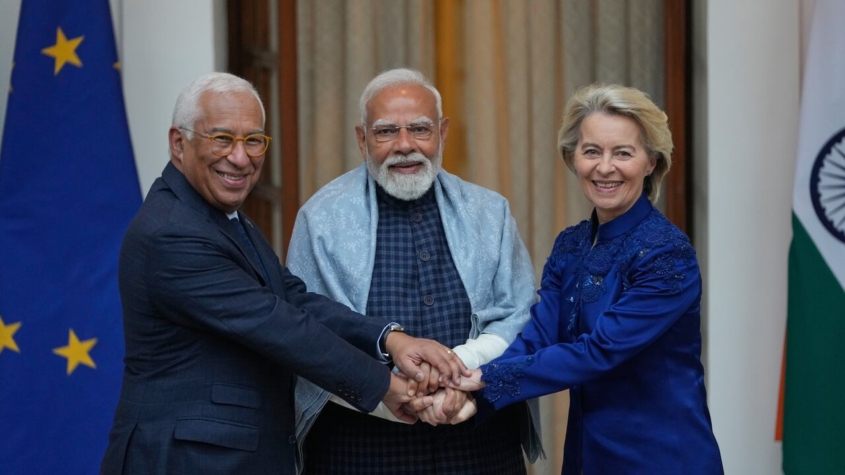
The European Union recently concluded a free trade agreement with India. This agreement, described by leaders on both sides as the “mother of all trade deals”, provides a powerful illustration of this shift in economic strategy.

The agreement establishes the world’s largest free-trade zone by population, encompassing nearly two billion people and representing approximately 25% of global GDP. After almost two decades of negotiations, it stands as one of the EU’s most strategically significant trade breakthroughs since Brexit. It comes a few weeks after the signing of the EU-Mercosur trade agreement.

At a headline level, the economic gains are substantial. The agreement will eliminate or reduce tariffs on almost 97% of EU exports, saving European companies an estimated €4 billion per year in duties. EU–India trade already exceeds €180 billion annually, supporting close to 800,000 EU jobs, and the European Commission expects EU exports to India to double by 2032 as the agreement is implemented.

India’s relevance is not accidental. It is now the world’s fastest-growing major economy, with GDP growth averaging 6-7% per year. The IMF projected that it will become the fourth-largest economy globally in 2025.

But the real importance of such agreements goes far beyond trade flows.

Modern trade policy is no longer solely about increasing exports. We are moving from just exports to economic multipliers.

The future is about generating system-wide economic multipliers that cascade through investment, services, labour mobility and innovation.

Large trade agreements typically trigger a second wave of economic activity through cross-border investment.

Companies do not simply export; they establish subsidiaries, joint ventures, financing vehicles, supply chains and operational hubs. Empirical work by the OECD suggests that every €1 of additional trade generates between €1.3 and €1.6 in total economic output, once investment and service effects are accounted for.

A third layer follows in services and professional sectors. Services already account for around 70% of EU GDP and employment, and over 55% of the value added embedded in EU exports. As trade volumes grow, so does demand for legal services, compliance, audit, risk management, digital infrastructure, payments, insurance and asset management. These are high-value activities that generate sustained employment and fiscal revenues.

For smaller EU member states, the importance of access to large markets is even more pronounced. Countries such as Malta, Ireland, Luxembourg and Cyprus cannot compete on manufacturing scale. Their economic models depend instead on acting as gateway and intermediary economies.

In practical terms, large trade agreements translate into growth for financial services, aviation leasing, maritime services, fintech, gaming, regulatory technology, and international advisory sectors – areas in which small EU economies are structurally competitive and where margins are significantly higher than in goods manufacturing.

In the future, the EU-India agreement illustrates a broader strategic reality.

Europe’s internal market, while large, is no longer sufficient on its own to sustain long-term growth. In a world where economic momentum is shifting towards large emerging economies, Europe cannot afford to remain economically inward-looking.

Access to large global markets is no longer optional. It is now a core requirement for Europe’s economic relevance, resilience and long-term prosperity in the 21st century.

This article was published on the The Times 10th March 2026

Dear Commissioner, dear colleagues, distinguished guests

Cohesion policy is European solidarity in action.

The mid-term review has demonstrated that this solidarity is not static, it can adapt to new realities while continuing to deliver tangible results. From Malta’s perspective, three lessons stand out.

“Flexibility works when it respects national realities.”

The mid-term review allowed Member States to reprogramme within a common European framework, aligning investments with emerging priorities such as competitiveness, resilience and energy security. This confirms that a place-based, bottom-up approach remains essential.

However, flexibility must not penalise foresight. In some areas, Malta had already invested proactively, for example in water resilience, and therefore could not benefit fully from incentives linked primarily to new spending. Future frameworks should reward preparedness as well as reprioritisation.

“Cohesion policy must remain genuinely place-based and avoid an overly centralised delivery model.”

While alignment with EU strategic priorities is important, effectiveness depends on Member States’ ability to tailor interventions to their specific territorial, demographic and structural conditions.

A shift toward a predominantly top-down model risks undermining decades of progress built on partnership, subsidiarity and shared management. Cohesion policy succeeds when it combines European direction with national ownership.

“The policy must work for all Member States including the smallest.”

Rules designed to cater for most instances can produce unintended inequities at the extremes. For small island Member States, thresholds, rigid eligibility conditions or uniform benchmarks may fail to capture proportionate needs and vulnerabilities.

Solidarity requires equity, not uniformity. Instruments must recognise that a shock affecting a small territory can be just as severe, or more so, even if absolute figures appear modest at EU scale.

Looking ahead to the post-2027 framework, we therefore see three priorities.

  • We need predictable but responsive programming, enabling long-term planning while allowing rapid mobilisation in times of crisis.
  • We need flexibilities supported by adequate upfront financing and simplified procedures, so that adjustments translate into real delivery rather than additional administrative burden.
  • And we need strong administrative capacity across all regions, supported by guidance, knowledge sharing and practical implementation tools.

Finally, cohesion policy was never intended as a short-term instrument. Its value lies in sustained investment that reduces disparities over time.

In conclusion, as we design the future framework, we must preserve what makes cohesion policy successful: partnership, place-based implementation and solidarity among all territories. Let us adapt the policy based on past lesson learnt but not dilute its core mission by departing from fundamental principles that have served as the basis for its success.

Thank you.

Distinguished guests, representatives of accredited organisations, educators, youth workers, partners, and colleagues.

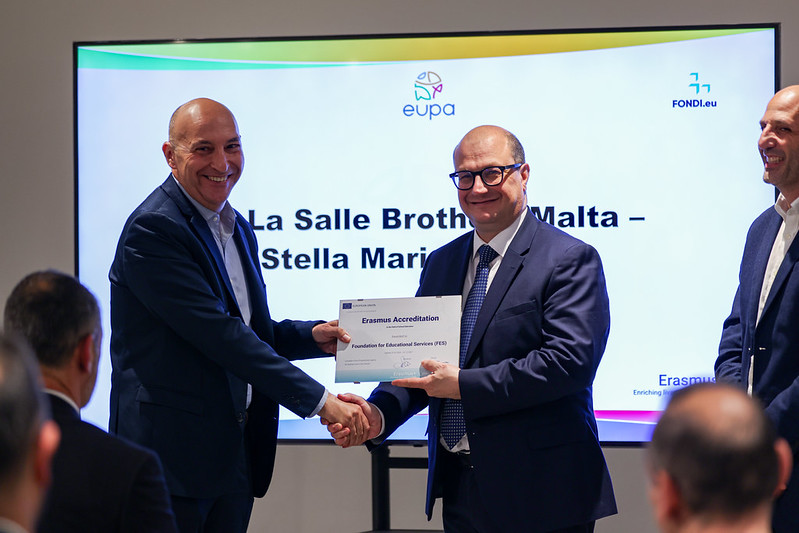
It is a pleasure to be with you today as we celebrate an important milestone in Malta’s continued commitment to quality education, skills development, youth empowerment, and European cooperation. Today’s event is not only a recognition of achievement but a celebration of Malta’s progress within the broader European education and training landscape.

“Erasmus+ is also an integral part of Malta’s transformation agenda leading up to Vision 2050”

Erasmus+ accreditation is far more than a procedural recognition.
It is a seal of excellence; a testament that participating organisations have presented strong, structured, and forward‑looking plans. These plans are aligned with EU priorities and with Malta’s own national strategy for education, skills, and social development.

Accredited organisations show strategic maturity, institutional strength, and a clear ability to deliver high‑quality, sustainable mobility and learning opportunities. Through accreditation, you demonstrate that your institutions can create meaningful pathways that support young people, adult learners, educators, and entire communities.

Erasmus+ is also an integral part of Malta’s transformation agenda leading up to Vision 2050. This long‑term vision aims to build a skilled, adaptable, and innovative workforce; a society capable of embracing the green and digital transitions; a future where opportunities for learning, personal development, inclusion, and active citizenship are accessible to all.

Accredited organisations play a central role in shaping this national ambition. You are key actors in the ongoing development of Malta’s education and skills ecosystem, helping to prepare citizens for the challenges and opportunities of the coming decades.

Let me reaffirm the Government’s strong and continuous commitment to investing in European Programmes. We value our collaboration with the European Commission and with national bodies such as EUPA, and we remain dedicated to strengthening opportunities across: schools; VET institutions; adult learning providers; youth organisations; and community structures. Our aim is to ensure that learners of all ages and backgrounds benefit from high‑quality experiences that broaden their horizons and reinforce their skills.

I would like to express my sincere appreciation to the EUPA team for its leadership, professionalism, and consistently strong results. Your ongoing commitment ensures that Malta remains a trusted and active partner in European cooperation. I also wish to congratulate all accredited organisations present here today. Your dedication and your willingness to plan, implement, and improve are the foundations of your success.

Finally, I encourage organisations that are not yet accredited to consider applying in future cycles. Accreditation opens the door to long‑term strategic development and greater access to European opportunities.

Let us continue working together; Government, civil society, youth organisations, education providers, and local communities to build a stronger, more inclusive, and more for-ward looking Malta.

Thank you, and congratulations once again to all.

Distinguished guests, colleagues, ladies and gentlemen,

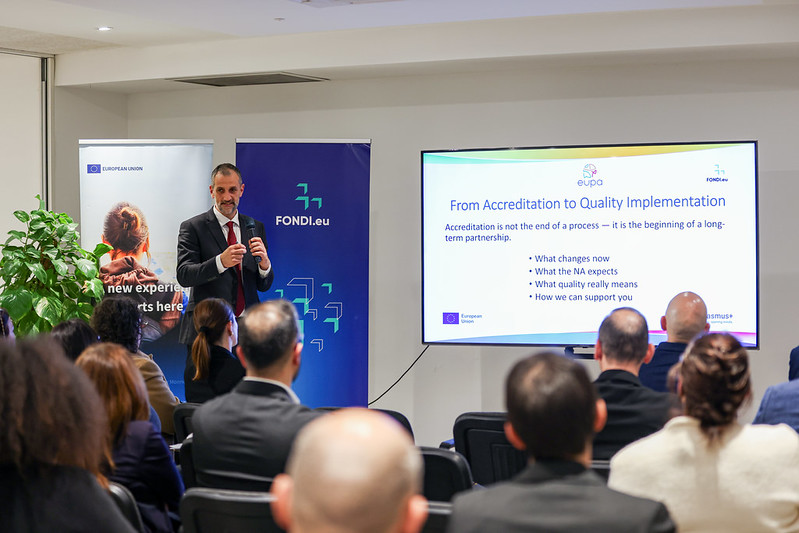
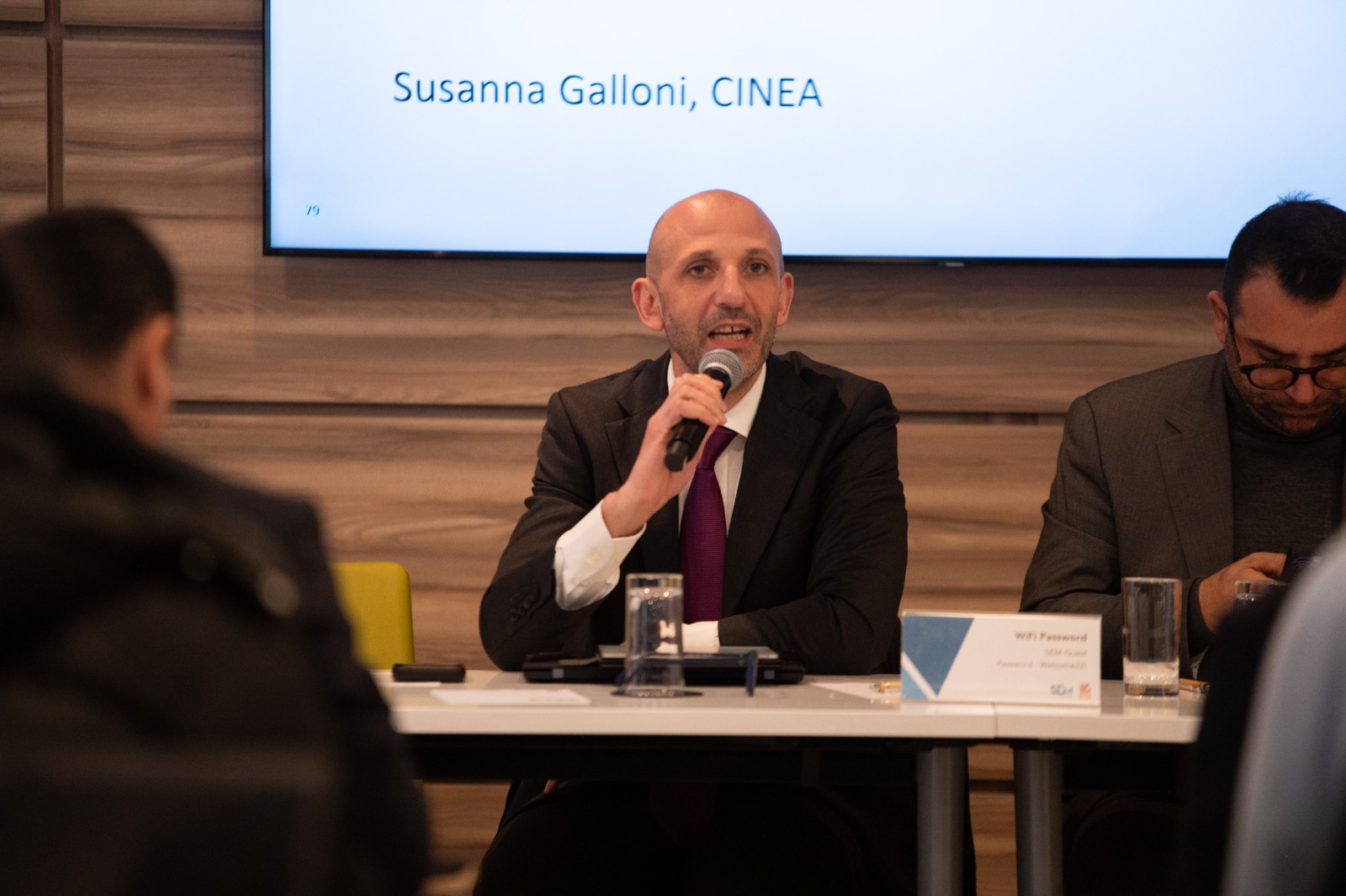
It is a pleasure to welcome you to this Innovation Fund Info Day here in Valletta, organised by the Funds and Programmes Division in its role as Malta’s National Contact Point for the Innovation Fund.

I would like to begin by thanking the Funds and Programmes Division for the work they have put into organising today’s event, as well as our colleagues from the European Commission, DG CLIMA, CINEA, and the European Investment Bank for their close collaboration and continued support. I also thank all of you for being here today, demonstrating a clear interest in innovation, sustainability, and Malta’s role in Europe’s green transition.

The Innovation Fund is one of the European Union’s most ambitious and strategic financing instruments.

It is designed to support the commercial demonstration of highly innovative low-carbon technologies, while strengthening Europe’s industrial competitiveness and helping us meet our shared objective of climate neutrality by 2050.

Financed through revenues from the EU Emissions Trading System, the Innovation Fund is expected to mobilise around €40 billion between 2020 and 2030.

To date, approximately €12 billion has already been awarded to around 200 projects across Europe. These figures alone demonstrate both the scale of the opportunity and the level of ambition behind this instrument.

The Fund supports projects in key strategic areas, including energy-intensive industries, carbon capture, utilisation and storage, renewable energy, energy storage solutions, clean mobility — now also covering maritime and aviation — as well as clean-tech manufacturing such as batteries and electrolysers. These are not abstract policy concepts; they are the building blocks of Europe’s future economy.

The 2025 Innovation Fund call, which will be presented in detail today, is the largest call to date, mobilising approximately €5.2 billion. This includes substantial funding for Net-Zero Technologies, renewable hydrogen through auctions, and pilot projects for industrial heat. Funding can cover up to 60% of relevant project costs through grants, and up to 100% under the auction mechanisms.

This is a clear signal that Europe is not only setting climate targets, but is backing them with concrete financial support for innovative, first-of-a-kind projects capable of delivering real greenhouse gas reductions.

Innovation Fund Info Days such as today’s play a crucial role in ensuring that information about these opportunities is accessible to all.

They help demystify the application process, there is a need to share lessons learned as well as communicate best practices. This needs to be coupled with support for a more balanced geographical participation across Member States.

In Malta’s scenario, while there has been growing interest in the Innovation Fund, we must also be honest with ourselves: to date, Malta has not yet secured a funded Innovation Fund project. This is precisely why today’s event is so important. It is an opportunity to raise awareness, strengthen project pipelines, and provide hands-on guidance to potential applicants.

Through the orientation dialogues taking place later today, local stakeholders will also have the chance to discuss their project ideas directly with representatives from the European Commission, CINEA, and the European Investment Bank. These exchanges are invaluable in helping project promoters assess eligibility, alignment, and maturity. It a positive way of how we prepare ourselves to embrace the challenges that this process brings about.

These applications go beyond the processes we are mainly accustomed to when using the funds made available to Malta as part of the Multi-Annual Financial Framework. We are competing with various other proposals and initiatives presented by other member states. This we need to be bolder, stronger in forging a way forward.

I would also like to highlight the importance of Project Development Assistance, which will be presented by the European Investment Bank. This support is specifically designed to help promising but not yet mature projects become stronger, more competitive, and better positioned for future Innovation Fund calls.

As Government, we remain fully committed to supporting Maltese enterprises, researchers, and innovators in accessing European funding opportunities.

We will continue to advocate at European level for improved geographical balance, while at national level we will keep strengthening our capacity to guide and support applicants throughout the entire project lifecycle.

Today is not just about information; it is about ambition. It is about encouraging Maltese stakeholders to think bigger, to collaborate, and to position themselves at the forefront of Europe’s clean-tech and net-zero transition. The greater the challenges, the higher the stakes, the larger the success.

I encourage all participants to make full use of today’s sessions, to ask questions, to engage in dialogue, and to explore how your ideas can be transformed into projects that contribute not only to Malta’s development, but also to Europe’s shared climate and industrial objectives. We can achieve more for our country working together and in unison.

I wish you a productive and insightful day, and I look forward to seeing Maltese projects successfully emerging under the Innovation Fund in the years to come.

Distinguished guests, dear colleagues, ladies and gentlemen,

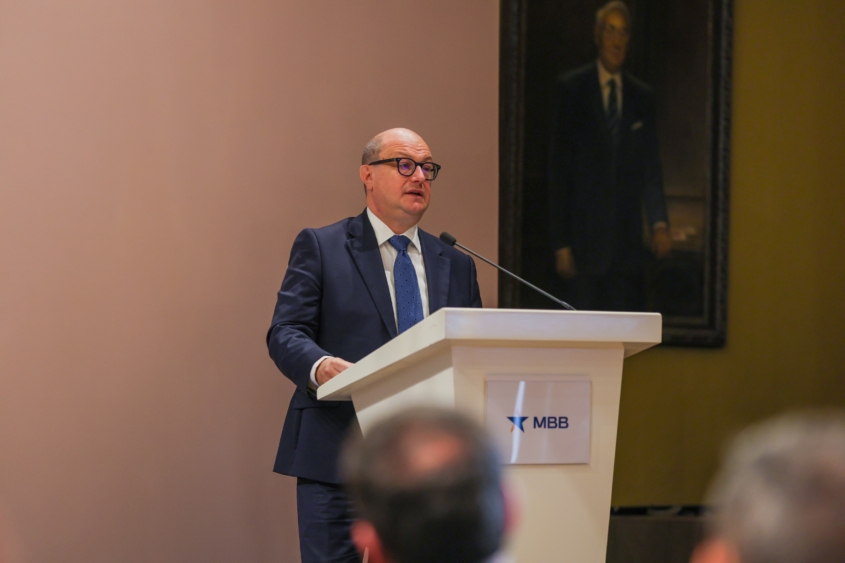
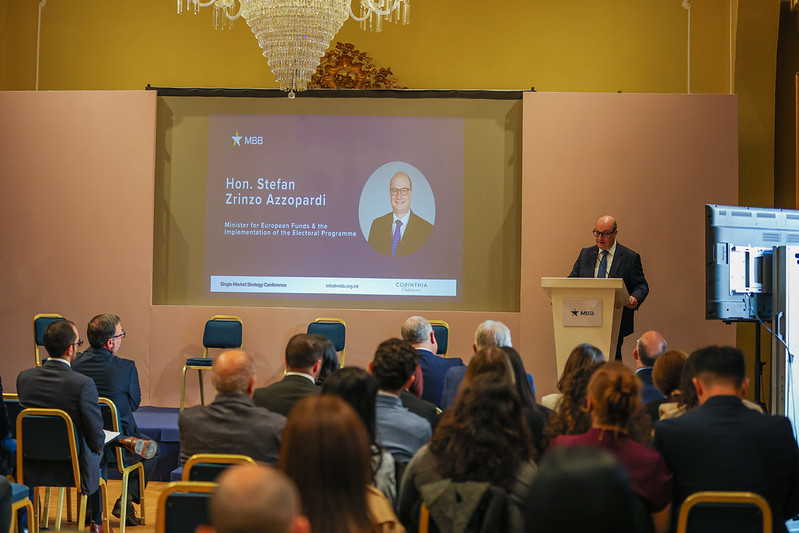
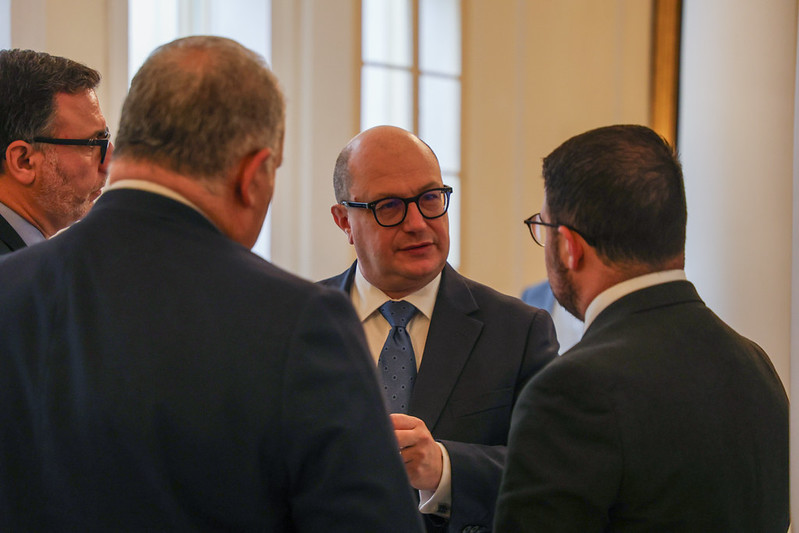
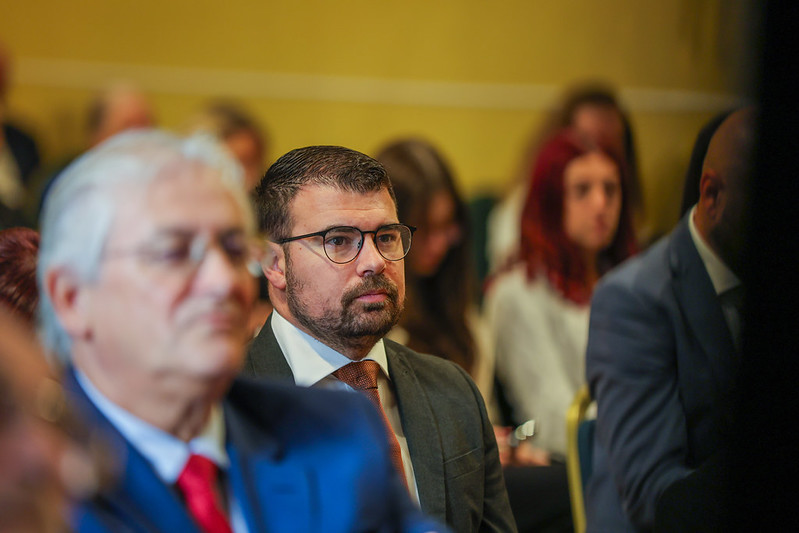
It is a pleasure to be with you today, and I thank the Malta Business Bureau and the Malta Chamber for convening this important discussion.

When we speak about the Single Market Strategy, we often focus on legislative reforms, regulatory adjustments and enforcement. Those are essential. But today I want to focus on something equally important, and often overlooked, which is the role of European funding in enabling the single market to function in practice. The truth is that no strategy, no regulation and no freedom on paper can deliver meaningful results unless Member States have the structural capacity to participate. This capacity relies on the sustained support from EU funding, complemented by the ongoing commitment and investments made at the national level.
“The single market has been transformative for our country. It has allowed Maltese enterprises to export, to specialise, to invest, and to also attract talent.”

For Malta, this is not a theoretical point. It is the daily reality of how our economy engages with the rest of Europe. The single market has been transformative for our country. It has allowed Maltese enterprises to export, to specialise, to invest, and to also attract talent. It has opened opportunities that would never have existed for a small island at the periphery of Europe.

But these opportunities did not materialise on their own. They required the modernisation of infrastructure, the strengthening of institutions, the digitalisation of public administration, the development of skills, and the environmental upgrades that allow us to operate within EU standards. Through Cohesion Policy and related EU programmes, Malta has been able to seize the opportunities presented by the rapidly evolving single market, building on the determination and initiatives driven at the national level.
The single market is one of the largest integrated economies in the world, but its strength relies on the participation of all its territories, including regions, small states and peripheral territories. Here lies the central point. The single market does not operate in a vacuum. It is built on a foundation of cohesion. It works only when every Member State, regardless of size or geography, can participate on fair terms. This is why Cohesion Policy is not a side instrument.

It is the economic spine of the single market. It ensures that divergence does not become permanent, that transition costs do not become barriers, and that the freedoms of the single market do not transform into privileges for some and burdens for others.

Over the past two decades, Cohesion funding has enabled Malta to overcome structural constraints that the single market by itself does not resolve, strengthening the impact of our national strategies.

Higher regulatory standards and new Union requirements often increase operating costs for businesses and public authorities, particularly in smaller economies with limited scale. Cohesion policy does not eliminate these costs, but it makes them manageable. It enables necessary investments in infrastructure, systems and capacity that would otherwise be unaffordable or would place Maltese operators at a competitive disadvantage.
In this way, cohesion funds help ensure that participation in the single market is viable and that Malta can meet common objectives without compromising competitiveness or overburdening sectors with narrow margins.

But the link goes far deeper. Think about digitalisation. Modern compliance frameworks, cross-border services, e-commerce, cybersecurity standards and interoperability requirements all create new demands on Member States. Large countries have institutional depth and resources to absorb this complexity. Small ones must work twice as hard. EU investment in digital public administration and emerging technologies has been essential for Malta to maintain alignment with evolving EU standards.

Without these investments, our businesses would face a double challenge: complying with EU rules and compensating for domestic structural limitations. Cohesion funding removes this imbalance.

Regulatory change in the Union often reshapes how companies operate, from production processes and supply chains to compliance systems and investment decisions. For small businesses in Malta, these adjustments carry real costs, and for an island economy the structural constraints are even more pronounced. Cohesion funding helps absorb these pressures.
It supports the upgrades, capacity building and systems modernisation that firms and public authorities cannot finance at scale on their own. This prevents smaller economies from falling behind when common Union rules become more demanding, and it ensures that Maltese enterprises can remain competitive in a single market where the cost of compliance continues to rise.

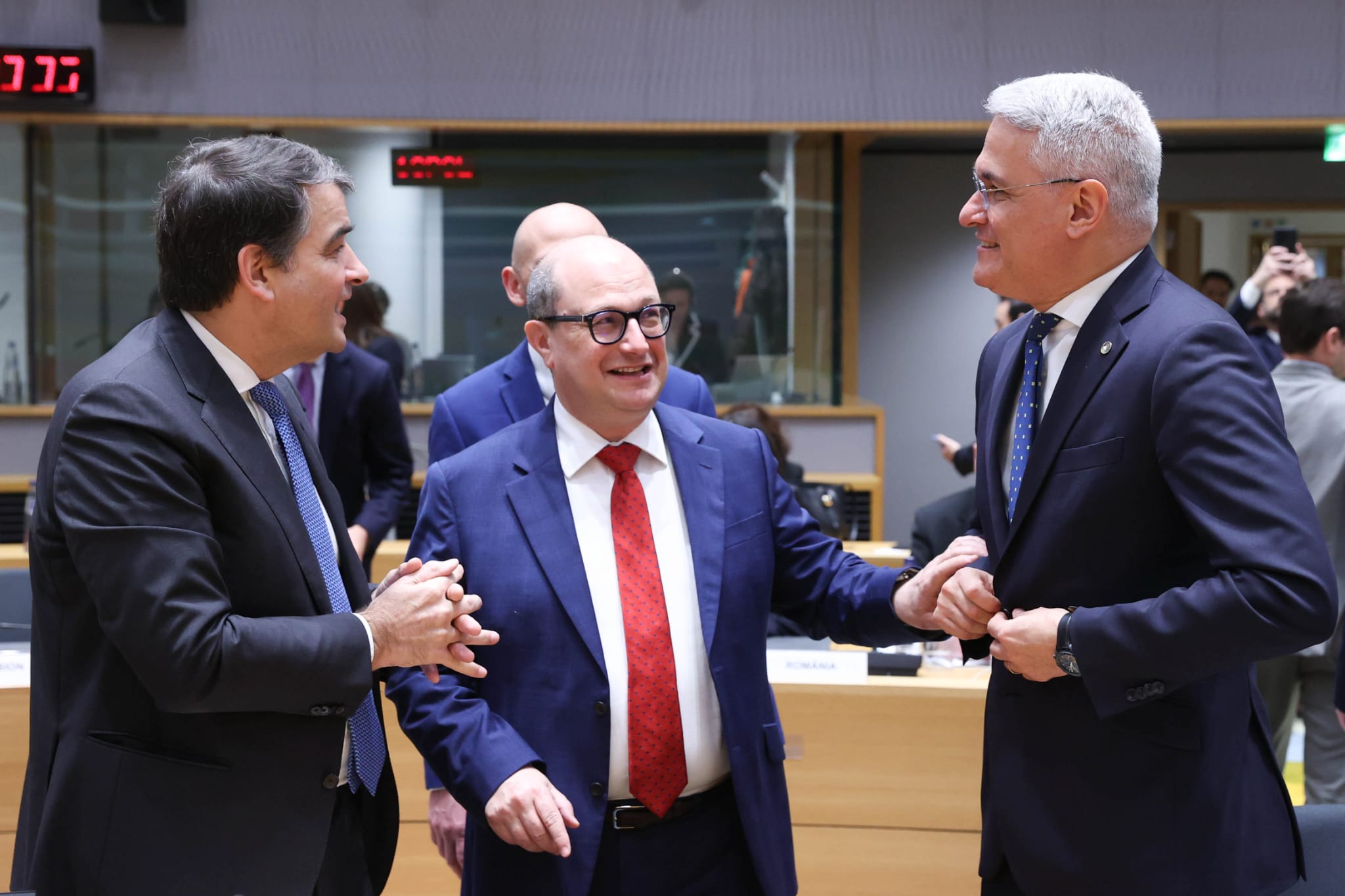
Last Friday, I attended a Conference in Bucharest organised by my Romanian counterpart. I stressed this point in the presence of Commissioner Fitto and Commissioner Minzatu stressing the need to ensure that Cohesion Funds continue to offer the necessary financial support to address the challenges that are inherent to being an island.

“Cohesion Policy must help create the right environment so that competitive EU-wide funds become accessible rather than out of reach.”

This brings me to a broader reflection. As Europe prepares the next Multiannual Financial Framework, the debate is no longer only about numbers. It is about direction. The Union is shifting towards more competitive, EU-wide programmes. The new Competitiveness Fund is one example. Instruments like InvestEU and Horizon Europe are essential for Europe’s technological leadership.

But they favour Member States with strong research ecosystems, large industrial sectors and deep administrative capacity. If this trend becomes the dominant model, there is a risk that smaller Member States slowly lose ground.

This is why the future of Cohesion Policy is so important. Cohesion Policy is the counterweight that ensures the Union remains integrated and not fragmented. If Europe wants a single market that is competitive globally, then it needs a strong foundation of investment that keeps all Member States aligned and capable. Excellence and competitiveness cannot flourish on a fractured base. They require cohesion.

For the next MFF, Malta has three priorities that flow directly from our experience. First, we need Cohesion Policy to continue addressing structural realities. Geography cannot be ignored. Insularity cannot be ignored. Scale cannot be ignored. A one-size-fits-all model will not work. Cohesion must remain place-based, flexible and grounded in the unique challenges of each Member State.

For Malta, this means continued support for connectivity, environmental resilience, digital infrastructure and administrative capacity.

Second, we need Cohesion Policy to integrate competitiveness objectives in a way that is accessible to all Member States. This does not mean lowering ambition. It means recognising that innovation ecosystems differ in size and maturity.
Cohesion funds can strengthen the enablers that allow small states to participate in European value chains. Malta does not need massive research campuses to contribute to EU competitiveness. It needs targeted investment in research capacity, digital technologies, skills and specialised niches where we can excel. Cohesion Policy must help create the right environment so that competitive EU-wide funds become accessible rather than out of reach.

Third, we need the next MFF to support administrative capacity. This is not a technical footnote. It is the determining factor of whether Member States can absorb funds, implement projects and comply with increasingly complex rules. Administrative burden affects small states disproportionately. If administrative capacity is not supported, the gap between Member States grows. And that gap becomes a barrier within the single market.

The private sector understands this reality. When businesses face different regulatory performance, different levels of digitalisation, different environmental standards and different timelines for implementation, the single market becomes uneven. EU funding helps level the playing field. It strengthens institutions, speeds up processes, and reduces compliance costs. The private sector therefore has a direct interest in the future design of Cohesion Policy.

Let me also reflect briefly on the structural pressures facing Europe. Geopolitical instability, technological competition, demographic shifts and climate impacts are forcing Europe to rethink its economic strategy.

Strategic autonomy, resilience and competitiveness are becoming central to the debate. But strategic autonomy cannot be achieved if only some Member States have the structural foundations to deliver. The new MFF must therefore balance excellence with cohesion. It must avoid creating a two-speed Europe. It must invest not only in global competitiveness but also in the capacity of each Member State to contribute.
For Malta, the priority remains clear. We want an EU budget that strengthens the single market. We want Cohesion Policy that supports transformation. We want competitive instruments that remain accessible. And we want a funding framework that recognises that small Member States face structural challenges that require long-term support. This is not about special treatment. It is about ensuring that the single market functions as intended: as a level playing field.

The private sector has a crucial role as well. Businesses are not passive recipients of EU policy. They are active participants shaping how the single market evolves. The concerns raised by Maltese enterprises about regulatory fragmentation, barriers to services, delays in enforcement and compliance burdens are not abstract. They reflect the lived reality of operating within the single market. EU funding helps reduce these barriers.

It supports the modernisation of public administration. It strengthens regulatory capacity. And it enables governments to deliver reforms that benefit both citizens and businesses.

Let me end where I began. The single market has been one of the most powerful economic engines in Europe’s history. But its success cannot be taken for granted. It requires continuous investment, continuous reform and continuous commitment to fairness. EU funding is not separate from the single market. It is the mechanism that keeps it alive, cohesive and competitive. It ensures that geography does not become destiny. It enables transformation. And it gives every Member State the tools to contribute to Europe’s shared future.

Malta will continue working with its partners to ensure that the next MFF reflects these principles. We will advocate for a strong Cohesion Policy that supports transformation and competitiveness. We will continue investing in connectivity, digitalisation, sustainability and human capital.

And we will remain committed to ensuring that EU opportunities reach our businesses, our workers and our communities. The single market must remain a source of opportunity for all. EU funding is how we make that possible.

Thank you.

€165 miljun ta’ finanzjament minn Fondi Ewropej

Il-provista tal-elettriku hija important ferm għal kull attività fil-pajjiż. Mingħajr provista adekwata tal-elettriku l-pajjiż ma jistax jimxi ‘l quddiem. Jekk tistagħġna din il-provista il-pajjiż jista’ jmut. Bħal meta tinstadd arterja prinċipali fil-ġisem tal-bniedem.

Minn l-2013 sar investiment biex pajjiżna jkompli jkabbar il-provista tal-elettriku biex din timxi pari passu mat-tkabbir ekonomiku li aħna stess konna qed naħdmu għalih. Dejjem emminna li l-pajjiż irid ikabbar l-ekonomija tiegħu biex il-cake nazzjonali jikber u nkunu nistgħu inwettqu l-viżjoni tagħna ta’ titjib fil-livell tal-għajxien ta’ kulħadd.

Sa minn qabel il-poplu Malti tana l-fiduċja b’saħħitha fl-elezzjoni tal-2013, rajna li biex inwettqu l-programm tagħna kien jeħtieġ li tikber u tissaħħaħ il-provista tal-elettriku tagħna. Ma’ dan kellna l-għan prinċipali l-ieħor, dak li nnaddfu darba għal dejjem, id-diżastru ambjentali maħluq mill-użu tal-Heavy Fuel Oil fil-Power Station ta’ Delimara, iż-żarmar taċ-ċumnija li tħammeġ f’Dellimara u ż-żarmar tal-Power Station tal-Marsa. Il-qalba għall-użu tal-gass fil-ġenerazzjoni tal-enerġija saret f’din id-direzzjoni u biex fl-istess waqt saħħaħna l-provista tal-elettriku.

Hekk kif dħalna fl-amministrazzjoni tal-pajjiż fl-2013 ridna naraw li l-interconnector  bejn Malta u Sqallija li thabbar fi zmien gvern Nazzjonalista jitwettaq biex imbagħad beda jintuża fl-2015. Dan kien diġa beda jagħtina aktar serħan il-moħħ li fl-eqqel tal-użu tal-elettriku partikolarment fl-eqqel tas-sajf jew tax-xitwa, jkollna provista adekwata. Imma, hekk kif it-tkabbir ekonomiku baqa’ jissaħħaħ, sena wara sena, ridna naraw li l-pajjiż ikun ippreparat għall-futur.

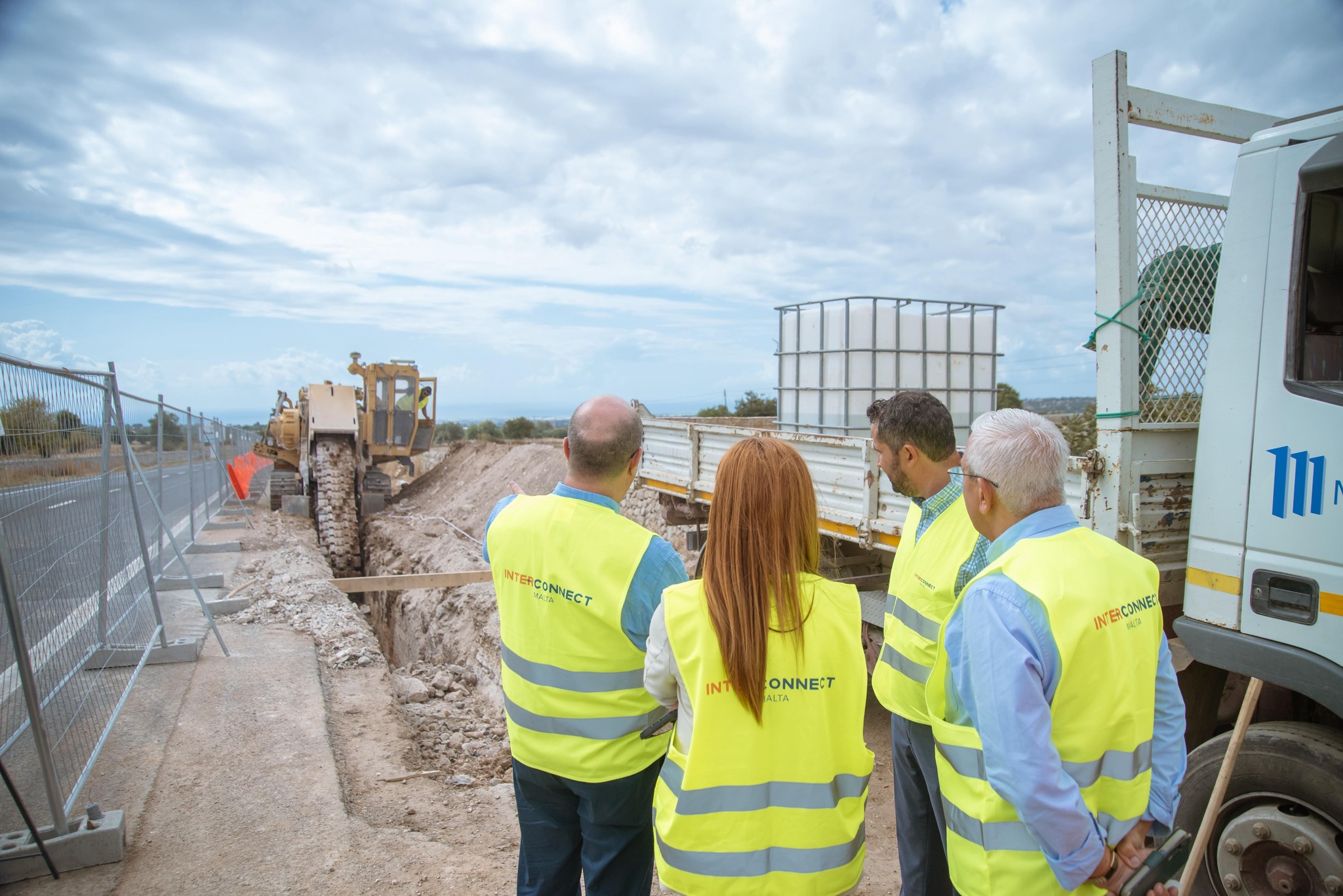
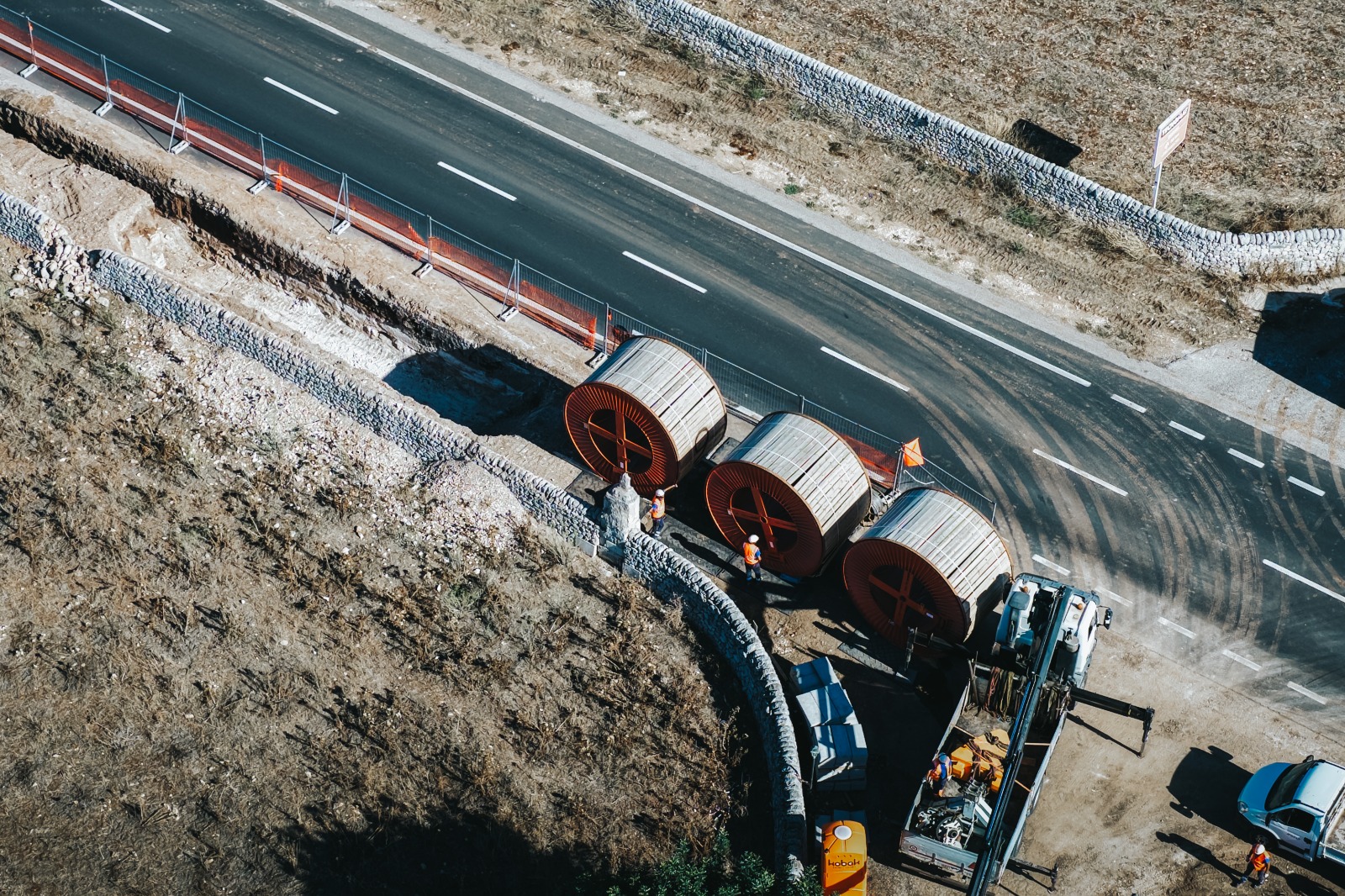
Dan wassal għall-pjan li pajjiżna jkollu it-tieni interconnector li se jtina aktar minn minn 200 Megwatt ieħor ta’ elettriku permezz ta’ cable li qed jgħaddi minn fuq fl-art fi Sqallija għall-baħar li jaqsam iż-żewġ gżejjer u li mbagħad jispiċċa fuq l-art f’Malta qrib il-Magħtab.

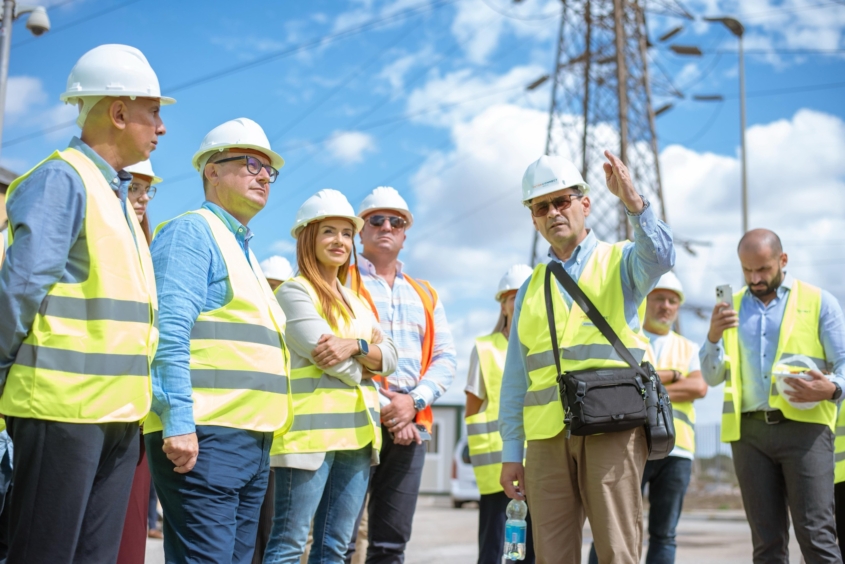
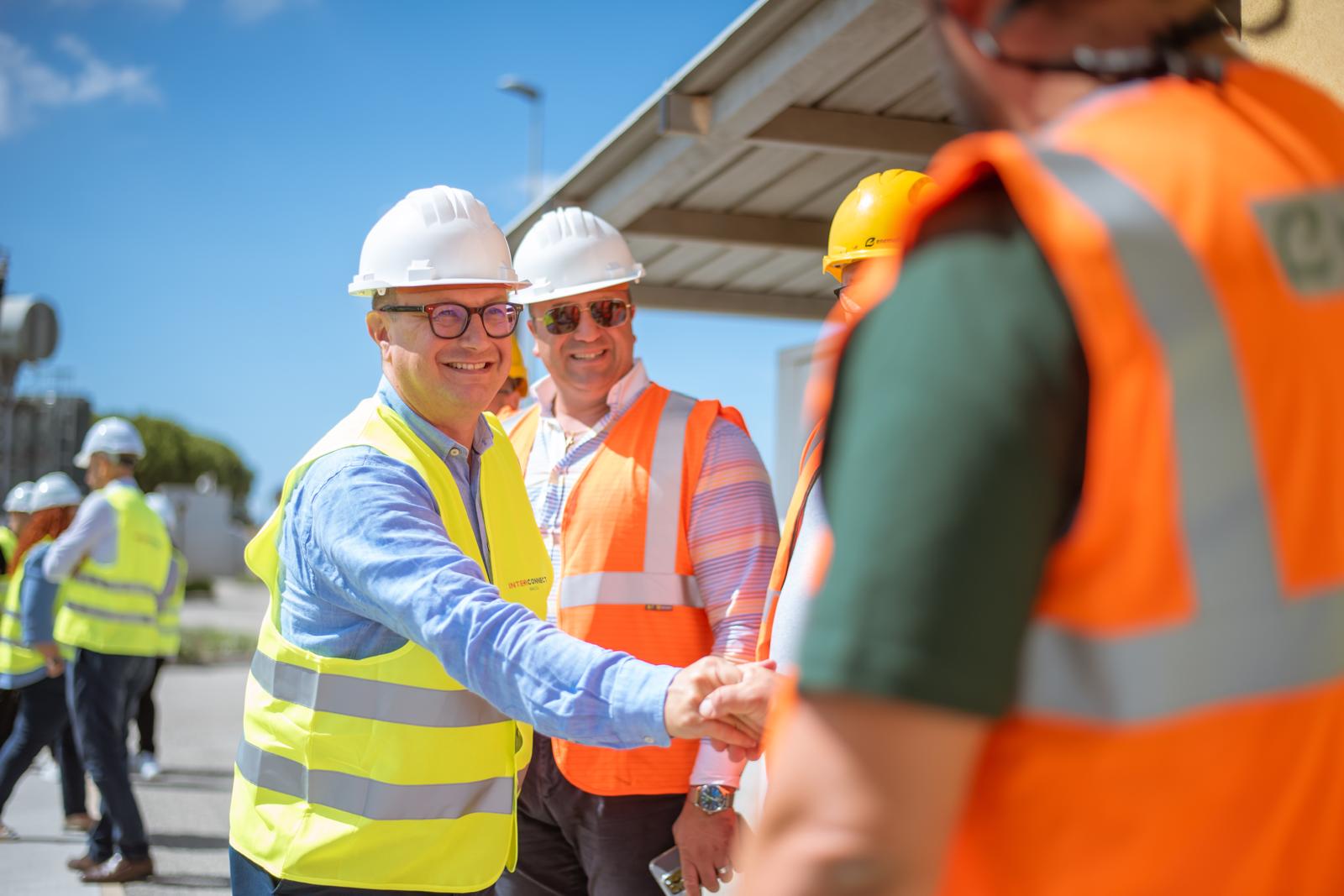
Ix-xogħol li qed jitwettaq mill-kumpanija tal-Gvern InterConnect Malta huwa wieħed imprezzabbli u qed isir b’dedikazzjoni u professjonalità kbira. Fl-aħħar jiem, flimkien mal-Ministru għall-Ambjent, l-Enerġija u l-Indafa Pubbika Miriam Dalli, kellna l-opportunità nżuru x-xogħol li għaddej bħalissa f’Ragusa fi Sqallija fejn beda jitqiegħed il-cable tul medda ta’ 21 kilometru li mill-istazzjon tal-Enemalta fi Sqallija irid iwassal sal-baħar biex imbagħad minn hemm, ikompli jitqiegħed il-cable f’qiegħ il-baħar biex jitwassal sa Malta.

Ħdimna u rnexxielna li għal dan il-proġett nġibu €165 miljun ta’ finanzjament minn Fondi Ewropej li bihom, flimkien ma’ fondi lokali irridu npoġġu lil Malta b’mod aktar b’saħħtu fil-grid Ewropew tal-Enerġija u jtina s-serħan il-moħħ ta’ fornitura adekwata ta’ elettriku.

Grazzi lill-entitajiet kollha nvoluti fit-twettieq ta’ dan il-proġett, tax-xogħol kbir li qed iwettqu biex il-familji Maltin u Għawdxin u l-pajjiż jkollhom sigurtà sħiħa fil-provista tal-elettriku.

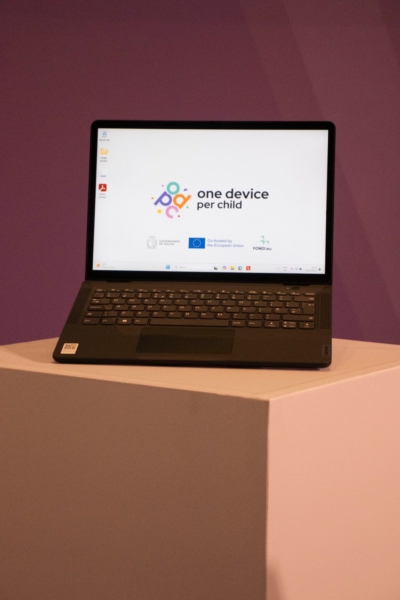
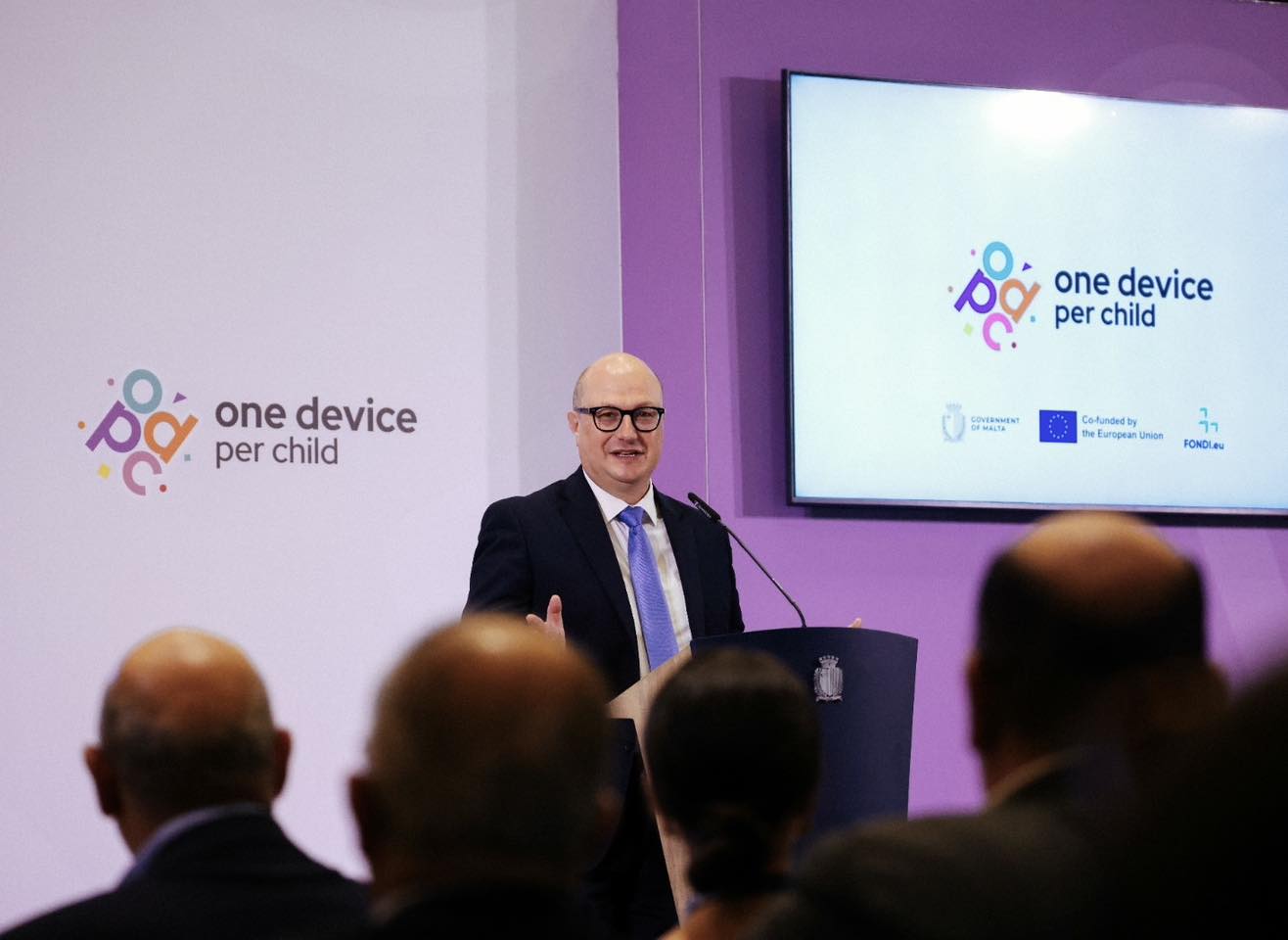
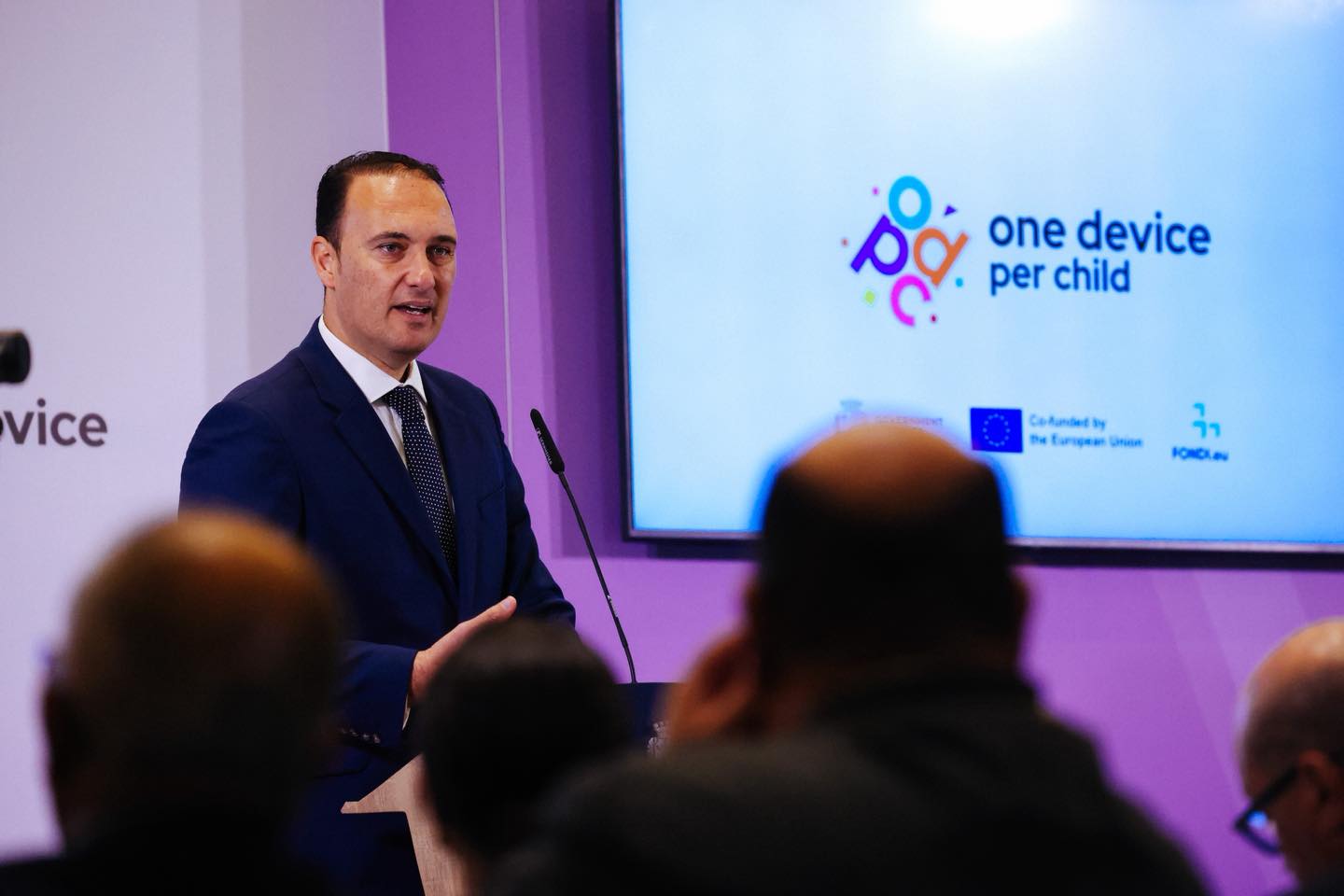
Il-proġett One Device Per Child li ħabbart flimkien mal-Ministru Clifton Grima huwa għażla favur il-futur ta’ pajjiżna. B’investiment ta’ €54 miljun minn Fondi Ewropej u Fondi Nazzjonali qegħdin niżguraw studenti irrispettivament minn liema faxxa soċjali ġejjin, se jkollhom l-istess opportunità li javvanzaw fl-edukazzjoni tagħhom permezz tal-għodod diġitali li qed nagħtuhom biex jimxu pass pass ma’ kif qed tavvanza t-teknoloġija llum.

“Qed niżguraw li l-ebda tifel jew tifla ma jitħallew jaqgħu lura.”

Meta l-Unjoni Ewropea fasslet il-Programm tagħha għall-Irkupru u r-Reżiljenza fl-eqqel tal-pandemija tal-Covid kellha f’moħħha li l-Ewropa kellha bżonn ekonomija li tagħmel inqas impatt fuq l-ambjent u ekonomija aktar diġitali u kellu jsir investiment massiċċ f’din id-direzzjoni. Dak li qed iwettaq il-Gvern Malti bil-proġett One Device Per Child juri impenn ħalli jsir investiment biex il-ġejjieni nfassluh illum. Qegħdin b’din l-inizjattiva, nwettqu wegħda oħra tal-Manifest “Malta Flimkien” meta konna wegħdna li nestendu dak li konna bdejna fil-leġislatura li għaddiet bil-proġett One Tablet Per Child.

L-inizjattiva biex kull student minn Year 7 ‘l fuq ikollu l-laptop tiegħu hija waħda mill-aqwa. F’din l-ewwel fażi tal-proġett qed jingħata laptop lill-istudenti kollha tas-7, it-8 u d-9 sena tal-kors edukattiv. Qed ninvestu biex inħejju il-ġenerazzjonijiet t’għada biex ikunu aktar abbli fil-ħiliet diġitali. Qed ninvestu biex inkunu aktar inklussivi, jiġifieri li kulħadd ikollu l-opportunità li jaċċedi għat-teknoloġija. Qegħdin inkunu nklussivi għaliex m’aħniex nagħmlu differenza bejn min jista’ u min ma jistax.

Irridu nkomplu ninvestu fit-taħriġ, għat-tfal, għall-ġenituri, għal min iħaddem, għal dawk li diġa qegħdin fil-postijiet tax-xogħol, għaliex id-dinja qed tinbidel kontinwament. Ninsabu fl-era tal-Intelliġenza Artifiċjali, l-AI li ma rridux narawha bħala xi ħaġa li tbeżżagħna imma teknoloġija li qegħda magħna u rridu naghrfu kif nużawha.

Il-proġett li inawgurajna taħt il-kappa tal-European Social Fund Plus (ESF+) għandu l-għan li joħloq ambjent modern, inklussiv u lest għall-futur edukattiv ta’ pajjiżna. Dan irridu nilħquh kemm fil-klassijiet tal-iskola kif ukoll barra minnhom. Kif fassalna l-programm qed niżguraw li l-ebda tifel jew tifla ma jitħallew jaqgħu lura. Bl-għoti tal-laptop lill-istudenti mis-7 Sena qegħdin nagħtuhom l-għodda li għandhom bżonn biex jitgħallmu, joħolqu u jirnexxu f’dinja diġitali.

Il-€54 miljun ser jintefqu wkoll fuq it-taħriġ tal-edukaturi biex jintegraw effittivament it-teknoloġija fil-mod kif jgħallmu. Permezz tal-fondi ser nipprovdu kontenut diġitali tas-suġġetti kollha mgħallma. Aspett ieħor huwa li se tkun provduta sistema ta’ pjattaformi diġitali siguri li jipproteġu lill-istudenti waqt li jesploraw u jitgħallmu permezz tal-laptops li qed nipprovdulhom.

Din hija t-triq ‘il quddiem. Spirtu ta’ tim wieħed, ministeri li jaħdmu flimkien biex nilħqu l-għanijiet tagħna għall-ġejjieni ta’ pajjiżna.

Bi ftit kuraġġ u bis-servizzi kollha disponibbli, il-bibien jinsabu miftuħa għal min irid jagħmel pass ‘il quddiem u jfassal il-futur tiegħu bl-għajnuna tal-fondi Ewropej.

Il-fondi Ewropej mhumiex xi ħaġa astratta jew ’il bogħod minna. Huma opportunità li tista’ tibdel il-ħajja tan-nies u tħalli impatt pożittiv fuq in-negozji tagħna. Il-Gvern huwa impenjat li jġib dawn l-opportunitajiet eqreb lejn il-komunitajiet tagħna, speċjalment lejn l-intrapriżi żgħar u medji (SMEs), biex ikunu jistgħu jikbru, jespandu u jinnovaw l-operat tagħhom.

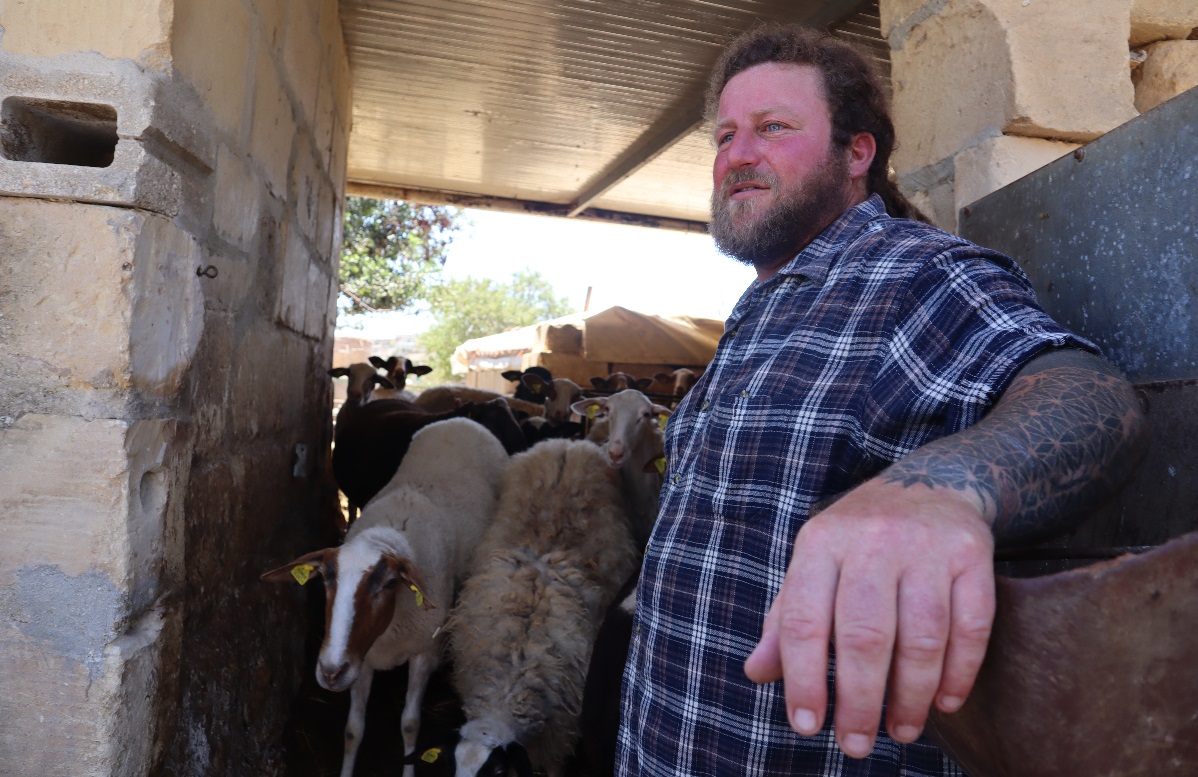
Għalija, kull storja ta’ suċċess hija prova ċara ta’ kemm dan l-impenn qed jagħti frott. Abraham Scicluna minn Għajnsielem, Għawdex, beda jgħin lil ommu fir-razzett tal-familja tiegħu minn meta kellu 14-il sena. Illum, bl-appoġġ ta’ Servizzi Ewropej f’Malta (SEM) u grazzi għal aktar minn €217,000 f’fondi Ewropej, se jkun qed jinvesti f’faċilitajiet moderni għar-razzett tiegħu u għall-produzzjoni tal-ġbejniet, billi jżomm il-kwalità u jsaħħaħ l-operat tiegħu b’mod sostenibbli.

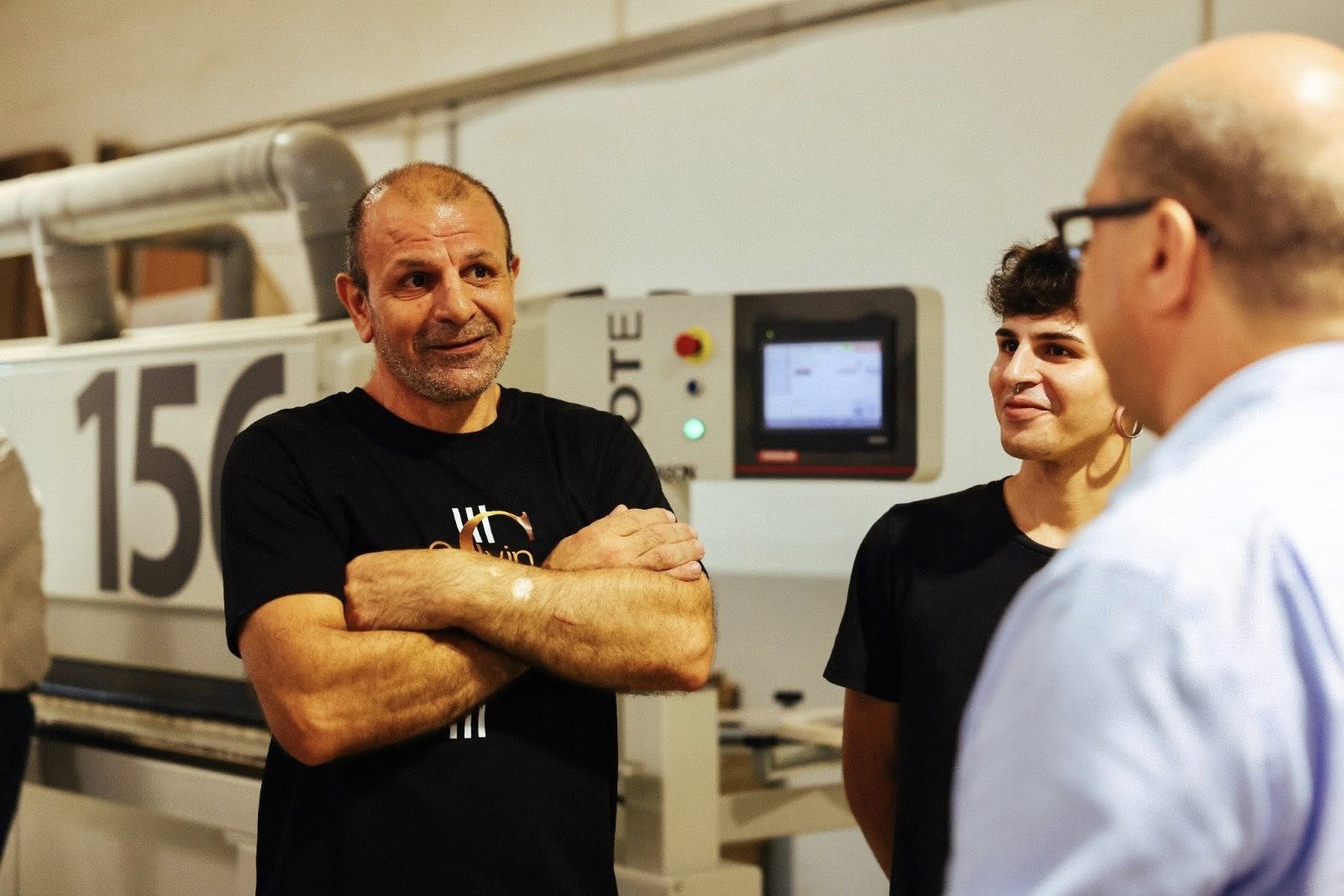
Storja oħra ta’ ispirazzjoni hija dik ta’ William Bugeja, mastrudaxxa bi snin ta’ esperjenza li dejjem xtaq jiftaħ intrapriża għal rasu. Permezz tal-iskema SME Enhance u bil-gwida ta’ SEM, William kiseb madwar €100,000 f’fondi Ewropej biex jixtri tagħmir u makkinarju essenzjali għall-produzzjoni ta’ għamara ta’ kwalità għolja. Dan l-investiment, b’valur totali ta’ aktar minn €200,000, ippermettilu jagħmel l-ewwel pass importanti biex iwaqqaf u jkabbar l-intrapriża tiegħu.

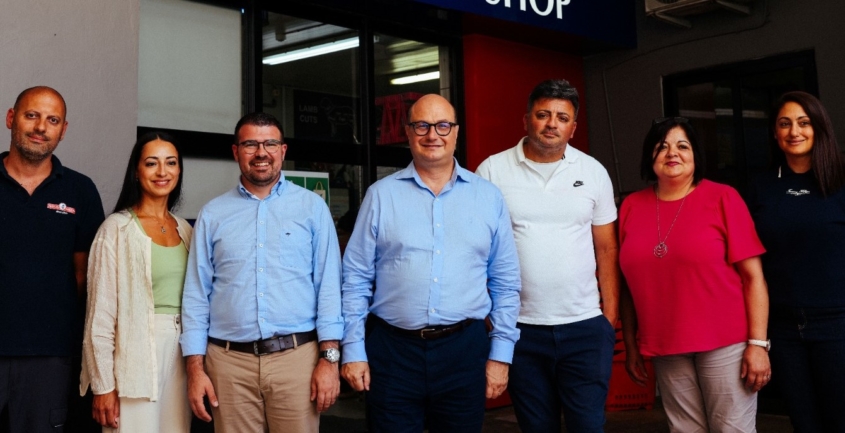
Fl-istess waqt, Mosta Bacon Ltd – negozju tal-familja Saliba mmexxi minn sitt aħwa – bbenefikat ukoll minn opportunitajiet ta’ fondi Ewropej. Bl-għajnuna ta’ SEM, huma rnexxielhom jinvestu f’tagħmir u titjib tal-faċilitajiet tagħhom, biex ikunu jistgħu jkomplu jservu lill-klijenti tagħhom b’prodotti ta’ kwalità, filwaqt li jżidu l-effiċjenza u l-kompetittività tagħhom fis-suq.

Dawn mhumiex każijiet iżolati. Huma eżempji ta’ kif il-fondi Ewropej jistgħu jħallu impatt reali, mhux biss fuq il-bilanċ finanzjarju ta’ negozju, iżda fuq il-viżjoni u l-futur tiegħu. Il-fatt li l-proċess issa qed isir aktar aċċessibbli, grazzi wkoll għall-appoġġ personalizzat ta’ SEM, ifisser li aktar intrapriżi u persuni self-employed jistgħu jgawdu minn dawn il-benefiċċji.

Għalkemm il-proċess tal-applikazzjoni jeħtieġ attenzjoni u gwida rigward l-formalitajiet u d-dokumenti meħtieġa, dan m’għandux jiskoraġixxi lil min jixtieq japplika. Huwa proprju għalhekk li teżisti Servizzi Ewropej f’Malta (SEM) – li mingħajr ħlas, tagħti l-informazzjoni, il-gwida u l-appoġġ matul il-proċedura kollha, pass pass, sabiex ħadd ma jitlef opportunità li tista’ tibdel il-futur tiegħu.

Il-messaġġ tiegħi hu wieħed ċar: il-fondi Ewropej qegħdin hemm għalik. Bħala Gvern, se nkomplu naħdmu biex inżidu l-aċċess għal dawn il-fondi, inkomplu nsaħħu l-informazzjoni u l-appoġġ disponibbli, u nkunu sħab attivi fin-negozju u l-iżvilupp tal-komunitajiet tagħna.

L-istorja ta’ Abraham, ta’ William u tal-aħwa Saliba juru b’mod ċar kemm din l-għajnuna tista’ tkun trasformattiva. Bi ftit kuraġġ u bis-servizzi kollha disponibbli, il-bibien jinsabu miftuħa għal min irid jagħmel pass ‘il quddiem u jfassal il-futur tiegħu bl-għajnuna tal-fondi Ewropej.

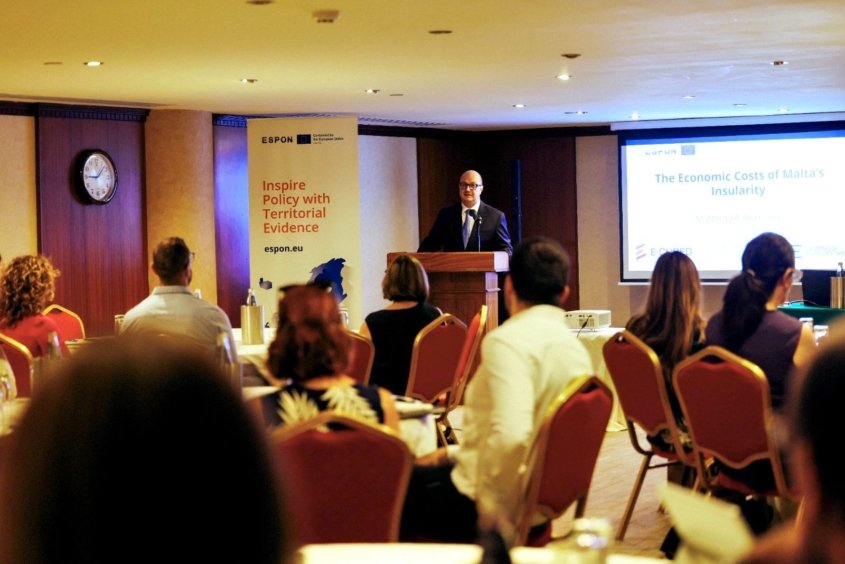
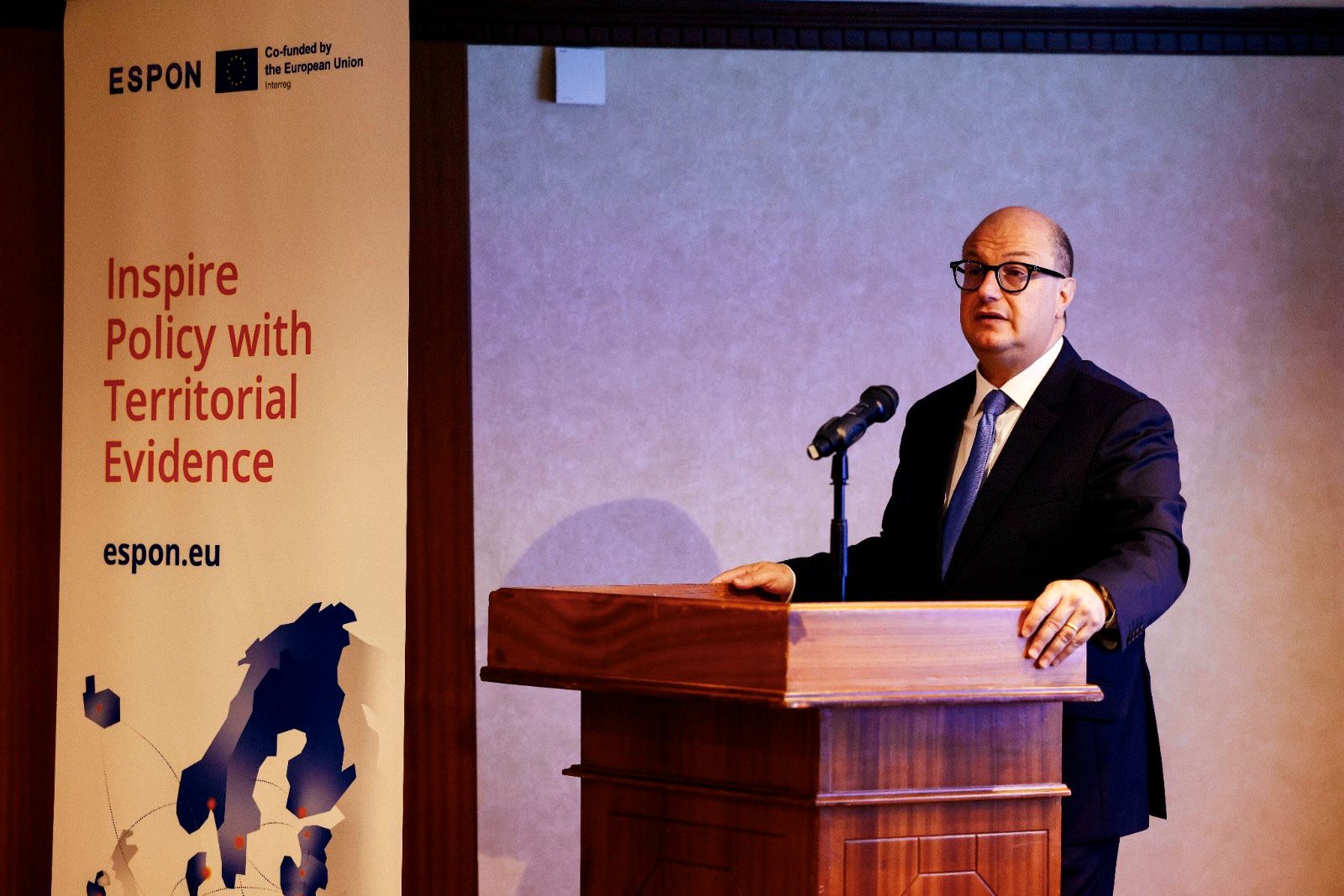
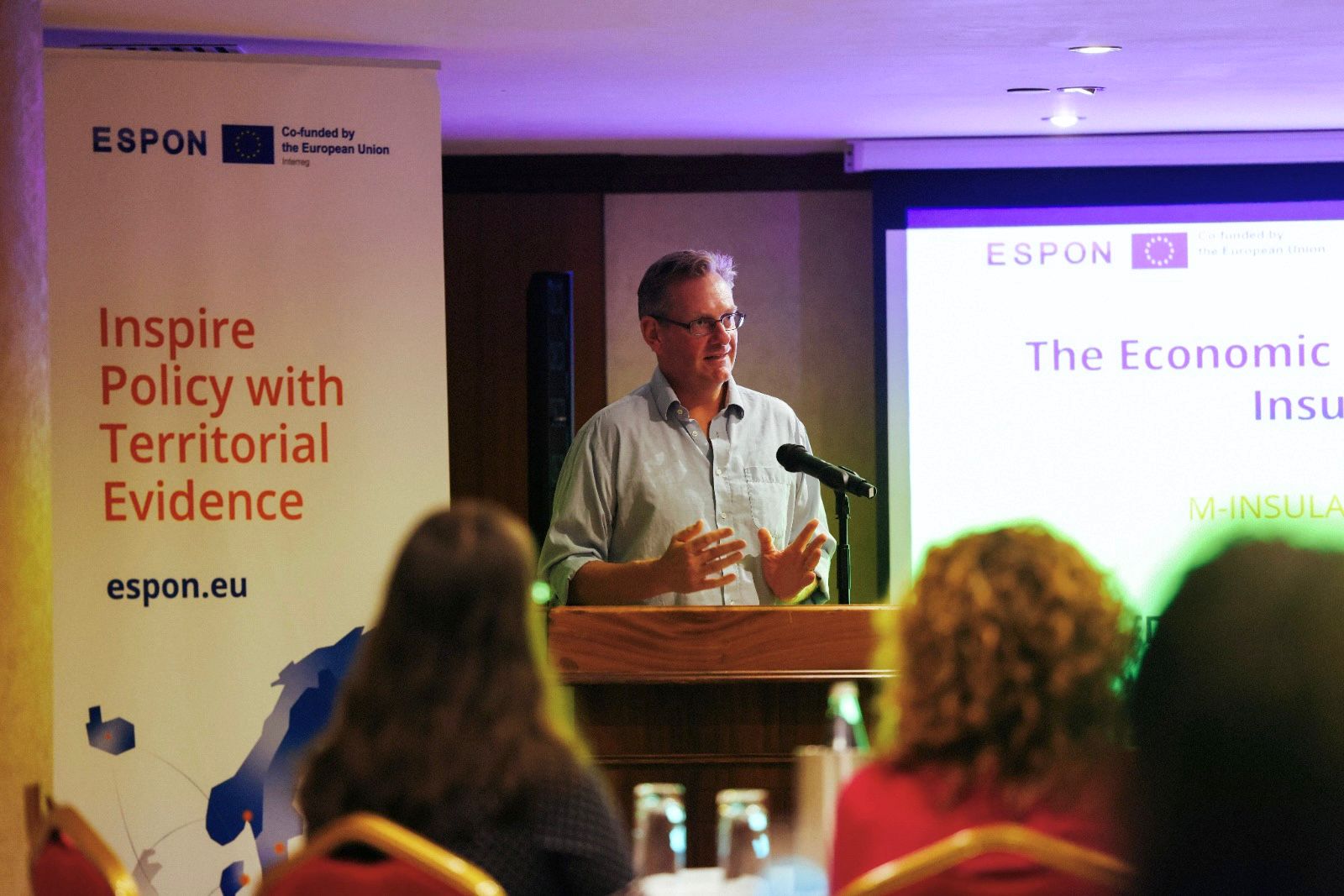
Last July, Malta hosted the ESPON M-Insular Workshop – a crucial step in our ongoing effort to ensure that the realities of our islands are understood, recognised, and acted upon at European level.

This event was far more than a technical meeting. It was a testimony of our shared determination to put Malta’s unique challenges, as a small island state – and Gozo’s double insularity – at the heart of European policymaking. The M-Insular study, developed within the ESPON 2030 Programme, is gathering the data and evidence we need to show, in measurable economic terms, the cost of our geographic realities. These findings will be essential in shaping both national policies and future EU Cohesion Programmes after 2027.

“Our government has already begun analysing the European Commission proposal to ensure that Malta’s needs are fully reflected.”

Timing is critical. Just days before this workshop, the European Commission presented its proposal for a new EU budget of €2 trillion for 2028–2034. Our government has already begun analysing this proposal to ensure that Malta’s needs are fully reflected. In my recent visit to Brussels with our Permanent Secretary, we met with Executive Vice-President Roxana Mînzatu and Executive Vice-President Raffaele Fitto to discuss aligning EU funding with Malta’s challenges, from investing in the green transition and skills development to strengthening cohesion funding.

For Malta, European funding is not only about financial resources. It is about fairness, solidarity, and recognising that “cohesion” means different things in different places. In our context, it means tackling structural disadvantages stemming from our geography and transforming them into opportunities for growth and resilience.

We are committed to using EU funds strategically not simply absorbing them, but directing every euro towards initiatives that deliver long-term value for our people. But to invest wisely, we must first understand fully. That is why this study, and the dialogue it generates, is so important.

I extend my thanks to the Cambridge Econometrics team, E-Cubed Consultants, the Planning Authority as Malta’s ESPON contact point, and our Ministry’s’ Strategy and Implementation Division for their work on this project. I also thank all stakeholders and social partners who participated in this workshop, contributing the insights that will ensure our case is strong and rooted in the lived experiences of our communities.

Our message is clear: Malta will continue to work hand in hand with its European partners to build a fairer and more territorially aware European Union – one in which no voice is left unheard, and no region is left behind.

“L-industrija tat-trasport u l-loġistika hija pilastru fundamentali tal-ekonomija tagħna.”

Għal pajjiż bħal Malta – gżira b’ċokon u limitazzjonijiet ġeografiċi – in-nuqqas ta’ konnessjonijiet diretti jista’ jkun ta’ sfida serja għall-kompetittività. Madanakollu, grazzi għall-ħidma komuni bejn il-Gvern u n-negozji, u bl-appoġġ anke tal-fondi Ewropej, qed jirnexxilna naħdmu flimkien biex indawru dawn l-iżvantaġġi f’opportunitajiet.

F’dan il-kuntest, kien ta’ sodisfazzjon għalija li niltaqa’ ma’ diversi operaturi f’dan is-settur waqt seminar organizzat mill-ATTO – l-Assoċjazzjoni tal-Operaturi tat-Tractors u t-Trailers. Hawnhekk stajt naqsam l-aħħar żviluppi dwar is-sejħiet għall-fondi li huma miftuħa biex b’mod dirett isaħħu l-kapaċità u l-kompetittività tan-negozji Maltin u Għawdxin.

Minn Ġunju 2023 sa llum, il-Gvern nieda 10 sejħiet taħt il-Fond Ewropew għall-Iżvilupp Reġjonali (ERDF), li wasslu għal aktar minn 360 ftehim ta’ għotja u €22 miljun f’għajnuna diretta lin-negozji. Din hija xhieda ta’ kemm l-imprendituri Maltin għandhom fiduċja fil-mekkaniżmi li noffru biex jiġu megħjuna fit-tkabbir tagħhom.

Illum, seba’ skemi huma miftuħin b’opportunitajiet għal proġetti ta’ diġitalizzazzjoni, konsulenza, u tkabbir tan-negozji. Waħda minnhom hija l-iskema “Digitalise your SME”, li b’allokazzjoni ta’ €5 miljun qed tgħin lin-negozji jinvestu fl-Intelliġenza Artifiċjali, software, is-sigurtà diġitali u aktar. Dan kollu b’għajnuna ta’ finanzjament sa 50% għal Malta u 60% għal Għawdex.

Qed nindirizzaw ukoll l-isfidi speċifiċi tas-settur, bħal dawk relatati mal-kompetittività u l-internazzjonalizzazzjoni. Permezz ta’ skemi oħra, qed noffru sa €20,000 għal dawk li jixtiequ jespandu l-operat tagħhom fi swieq barranin. Kollha għandhom għan wieħed: biex in-negozju jitjieb u jkompli jikber.

F’dan il-proċess kollu, is-servizzi offruti minn Servizzi Ewropej f’Malta (SEM) qed jagħtu kontribut essenzjali. Din l-aġenzija qed tipprovdi informazzjoni ċara u gwida prattika lill-imprendituri dwar il-fondi disponibbli, il-proċess ta’ applikazzjoni u l-kriterji li jridu jiġu rispettati. L-esperjenza tagħhom qed tgħin ħafna kumpaniji, żgħar u kbar, biex japprofittaw mill-opportunitajiet disponibbli b’mod effettiv u b’kunfidenza.

Minbarra l-ERDF, għandna wkoll il-Programm għall-Irkupru u r-Reżiljenza (RRF), li fih aktar minn €35 miljun allokati għal negozji – b’iktar minn nofshom diġà kommessi. Dan il-programm għandu skadenza sal-2026 u għalhekk ħeġġiġt lill-benefiċjarji biex jaċċelleraw l-implimentazzjoni tal-proġetti tagħhom.

Fl-istess waqt, fis-settur tat-trasport qed inħarsu lejn proġetti li jippromwovu l-mobilità sostenibbli – fosthom SMITHS, proġett nazzjonali ta’ hubs intermodali, li jiffaċilitaw trasport b’emissjonijiet baxxi u jtejjbu l-konnettività f’Malta. Investiment ieħor importanti qed isir f’sistema ITS – Intelligent Transport System – għall-monitoraġġ intelliġenti tat-traffiku fit-toroq tagħna, bil-għan li nnaqqsu l-konġestjoni u ntejbu l-ġestjoni tat-trasport f’ħin reali.

Fl-istess ħin, ninsabu konxji li l-ħtieġa għad-dekarbonizzazzjoni titlob sforz kollettiv. Il-prinċipju “Do No Significant Harm” u l-ħarsien tas-sostenibbiltà huma kundizzjonijiet kruċjali biex kwalunkwe fond jiġi approvat. Għalhekk, l-istandards tal-emissjonijiet, l-effiċjenza tal-fuel u r-reċiklaġġ tal-vetturi għandhom ikunu fuq quddiem nett tad-diskussjoni.

L-għan tagħna huwa wieħed: li kull ewro li tirċievi Malta mill-Unjoni Ewropea jissarraf f’ġid għall-pajjiż. U dan iseħħ biss jekk ilkoll flimkien – Gvern u operaturi – inkomplu naħdmu b’għaqal, b’viżjoni u b’mod effettiv.

Nirringrazzja lil kull min qed jagħti sehem attiv biex l-ekonomija tagħna tissaħħaħ u nkompli nħeġġeġ lin-negozji biex jaħtfu l-opportunitajiet li joffru l-fondi ewropej għal aktar suċċess fil-ħidma tagħhom.