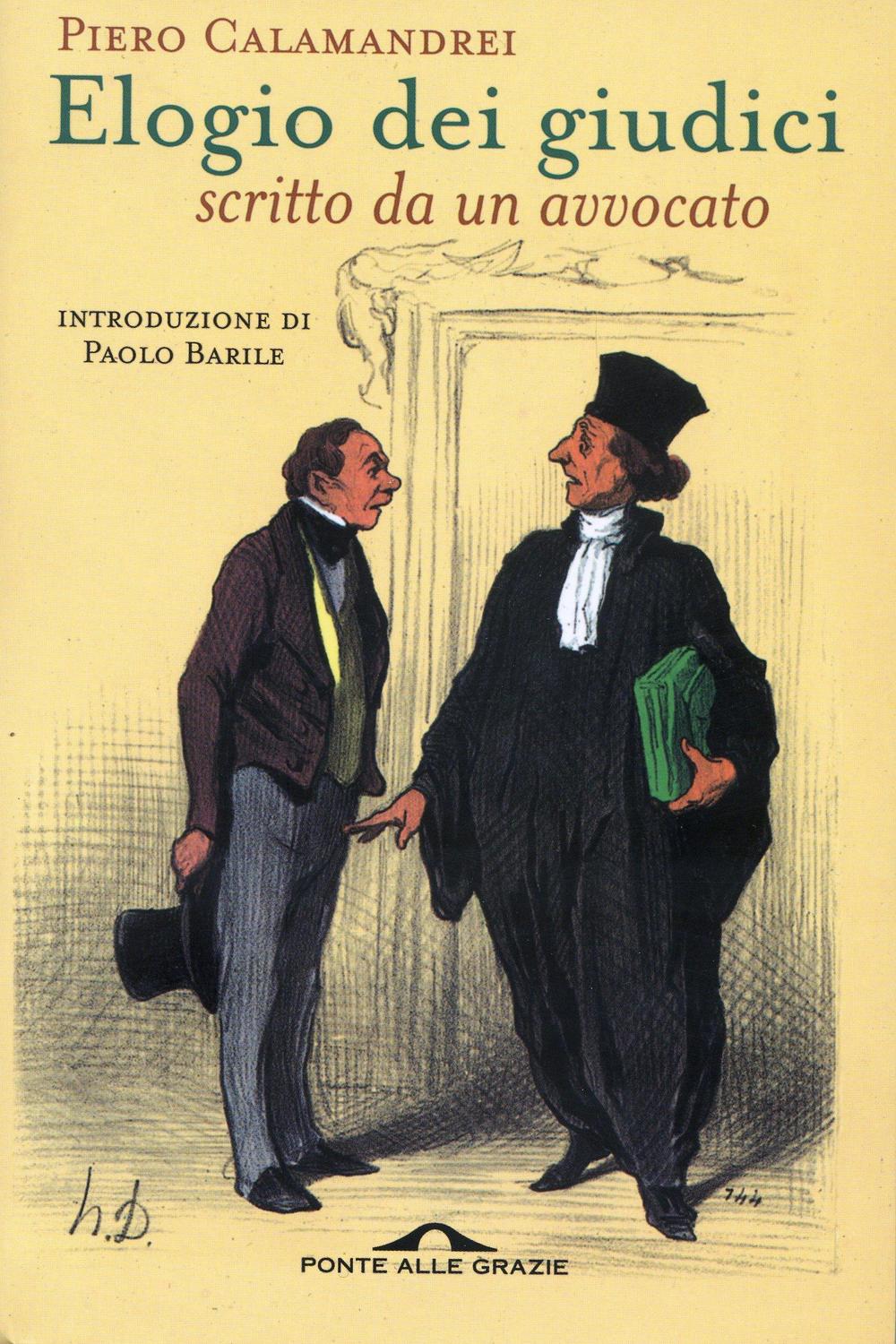
In “Elogio dei giudici scritto da un avvocato”, the distinguished Italian jurist and advocate Piero Calamandrei draws a compelling distinction between the intellectual freedom of the legal scholar and the professional responsibility of the practising lawyer.
He writes:
“Only the academic or jurist, who writes treatises or delivers lectures, can afford the luxury of holding rigid opinions on certain legal issues, openly challenging prevailing judicial authority when he considers it mistaken. The advocate, however, must always preserve a certain flexibility of opinion regarding the interpretation of the law, so that, when defending the interests of his client, he may adopt the interpretation which, being supported by the most authoritative judicial decisions, offers his case the greatest prospect of success for his client.
A lawyer is not a good lawyer if he cannot resist the intoxicating temptation to experiment with his new theoretical discoveries in corpore vili [on a living subject]. When operating upon the actual realities of his client, prudence must counsel him, even where he recognises as a jurist that the prevailing case law is mistaken, to adhere as an advocate to the maxim: video meliora proboque, deteriora sequor — I see and approve the better course, but follow the worse.—
Piero Calamandrei, Elogio dei giudici scritto da un avvocato (1935)
English translation from the Italian.
The distinction remains as relevant today as when Calamandrei wrote these words. The academic is concerned principally with what the law ought to be. The practising lawyer must also confront what the law is, how courts interpret it, and how that interpretation will affect the interests of the person who has entrusted the lawyer with their case.
The scholar has the freedom and the responsibility to challenge established doctrine, question judicial reasoning and advocate for the development of the law. The lawyer shares that intellectual responsibility, but carries an additional burden: the consequences of legal argument are borne not merely by the person advancing it, but by the client whose rights, property, liberty or livelihood may be at stake.
One should not interpret this position that lawyers should never challenge precedent or seek to change the law. Some of the most significant developments in jurisprudence have arisen precisely because advocates were prepared to question established authority. However, there is a fundamental difference between advancing a novel legal theory in an academic journal and testing that same theory in litigation where a client’s interests are exposed to the consequences of failure.
Intellectual conviction must therefore be tempered and guided by professional judgment. The lawyers task is not to demonstrate the superiority of a personal interpretation of the law at all costs. It is to exercise independent judgment, assess litigation risk, identify the arguments most likely to succeed and advance the clients legitimate interests within the bounds of professional ethics. Calamandrei’s insight is ultimately a reminder that legal scholarship and legal practice, while deeply interconnected, are not interchangeable. The academic can afford to be right in principle and lose the argument. The practising lawyer must never forget who bears the cost of losing it.